
Lived Experience as Data: Why It Matters for Institutions
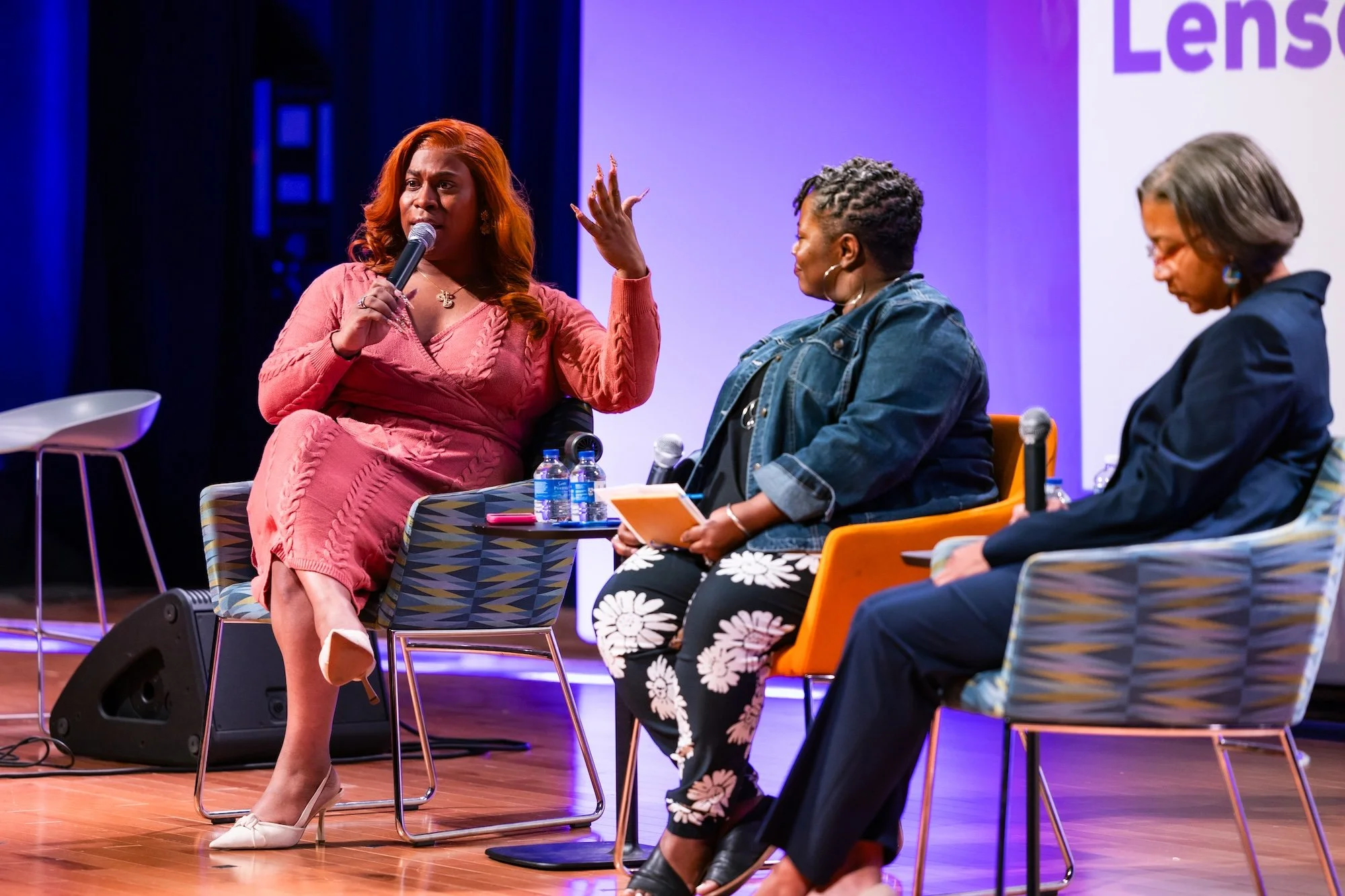
Approaching storytelling as a form of data collection.
When institutions talk about data, they are often referring to what can be measured, counted, and reported. Metrics, outcomes, utilization rates, and performance indicators are treated as the primary sources of truth. That kind of data matters. It helps institutions track progress and identify trends. But it is not the only form of data available. What people experience as they move through an institution is also data. It is information about how systems are functioning in practice. It reflects what is consistent, what is unclear, and where gaps remain between what is intended and what is actually happening.
For many institutions, that information is present but underused. Lived experience offers a different kind of insight. It shows how policies are interpreted in real time. It reveals whether training translates into practice. It surfaces moments where systems work as intended and moments where they do not. It captures what cannot always be measured through traditional indicators, but is felt immediately by the people navigating the system. When multiple people describe similar experiences, that is not anecdotal. It is a pattern. It points to something structural. It signals where attention is needed, even if existing metrics do not yet reflect it.
Treating lived experience as data requires a shift in how institutions listen. It means moving beyond occasional feedback and creating consistent ways for people to share what they encounter. It means recognizing that stories are not separate from systems, but a way of understanding them more fully. It also requires a shift in how institutions respond. Collecting feedback without integrating it into decision-making limits its value.
When lived experience is taken seriously, it informs how policies are refined, how staff are supported, and how care is delivered day to day. Data tells institutions what is happening at a system level. Lived experience shows how that system is felt. Both are necessary. Without lived experience, institutions risk making decisions at a distance from the people they serve. With it, they gain a clearer understanding of how their systems function in practice and where change is needed. Listening, in this sense, is not passive. It is a method of learning.
